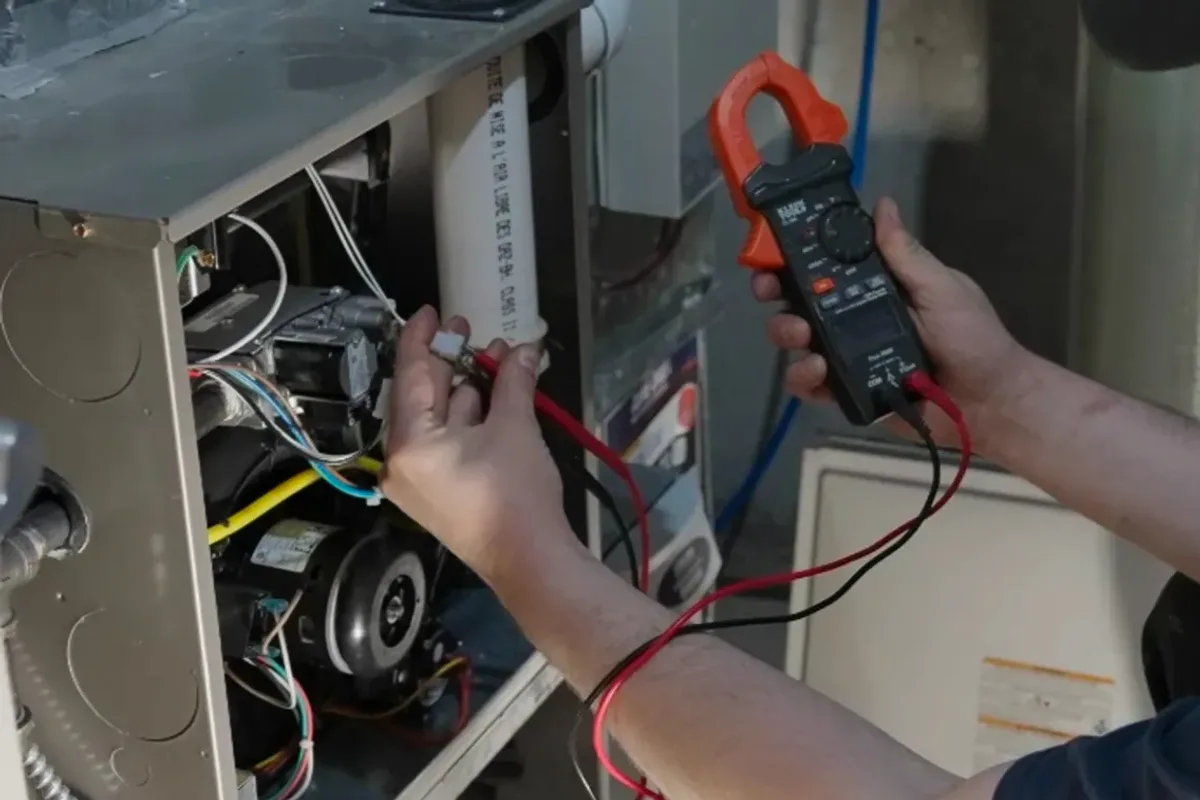
Request furnace repair for a property in Tillsonburg. Include the equipment, the problem or planned work, and your location so the request can be reviewed.
What should be checked when a furnace will not start, makes unusual noises, or heats rooms unevenly?
Furnace service covers diagnosis and repair of gas, propane, and oil-fired forced-air equipment, with maintenance or replacement considered when findings warrant them. A no-start condition, unusual burner or blower noise, uneven heat, or repeated cycling can arise from different components, so symptoms alone do not identify the fault. System design also matters: high-efficiency furnaces and older oil-fired units have different combustion, venting, and control arrangements that shape inspection and repair choices.
Diagnosis compares the reported symptoms with operating records, fault codes, thermostat calls, and measured airflow. The inspection distinguishes ignition or burner faults from blower, filter, control, or venting concerns. Fuel type and furnace design matter because service procedures and compatible parts differ; repeated failures and the condition of major components also inform whether repair remains practical.
Gas, propane, and oil furnace fault diagnosis
Burner, ignition, airflow, and control inspection
Maintenance findings and repair-versus-replacement decisions
Assessment and Scope
Questions for the Proposed Work
01
Trace the symptom to its source
A failed start may involve the thermostat signal, ignition sequence, burner, or a safety control, while scraping or rattling can point toward a blower or loose duct connection. These observations help narrow testing without treating a sound as a diagnosis. Fuel type also changes what must be examined: oil-fired equipment has different burner components from gas or propane systems.
02
Use inspection findings to plan maintenance
Maintenance findings can include restricted airflow, filter condition, burner condition, thermostat operation, and evidence of venting problems. These checks help identify a correctable condition before it is mistaken for a failed furnace component. The appropriate maintenance scope depends on the furnace model and manufacturer instructions; work involving fuel, combustion, internal electrical parts, or safety controls belongs with a qualified service provider.
03
Compare repair with replacement
A repair decision depends on the confirmed fault, the condition of other major parts, recurrence, and whether compatible components remain available. A single repairable ignition or sensor fault is different from repeated breakdowns or extensive combustion-side damage. When considering replacement, compare the existing furnace's fuel, venting, efficiency design, and duct connections with the proposed equipment before deciding what installation changes are needed.
Compare the next step
Ask for the present condition and repair option to be documented independently of a future replacement quotation. Compare available repair, related safety findings, expected household plans, and proposed new equipment sizing. Retain the findings so later decisions can build on evidence rather than an age-based sales recommendation.
Leave burner, fuel, venting, electrical, and internal equipment work to a qualified contractor. Do not bypass a safety switch or repeatedly reset a furnace.